

Review Part 1: Black goddess of Jazz
Before Nina was Simone, her birth name was Eunice Kathleen Waymon, born in 1933, a time still in the height of racial discrimination. Her skin color caused her to lose her dream somewhat, but she was able to suppress all her suffering into her voice.
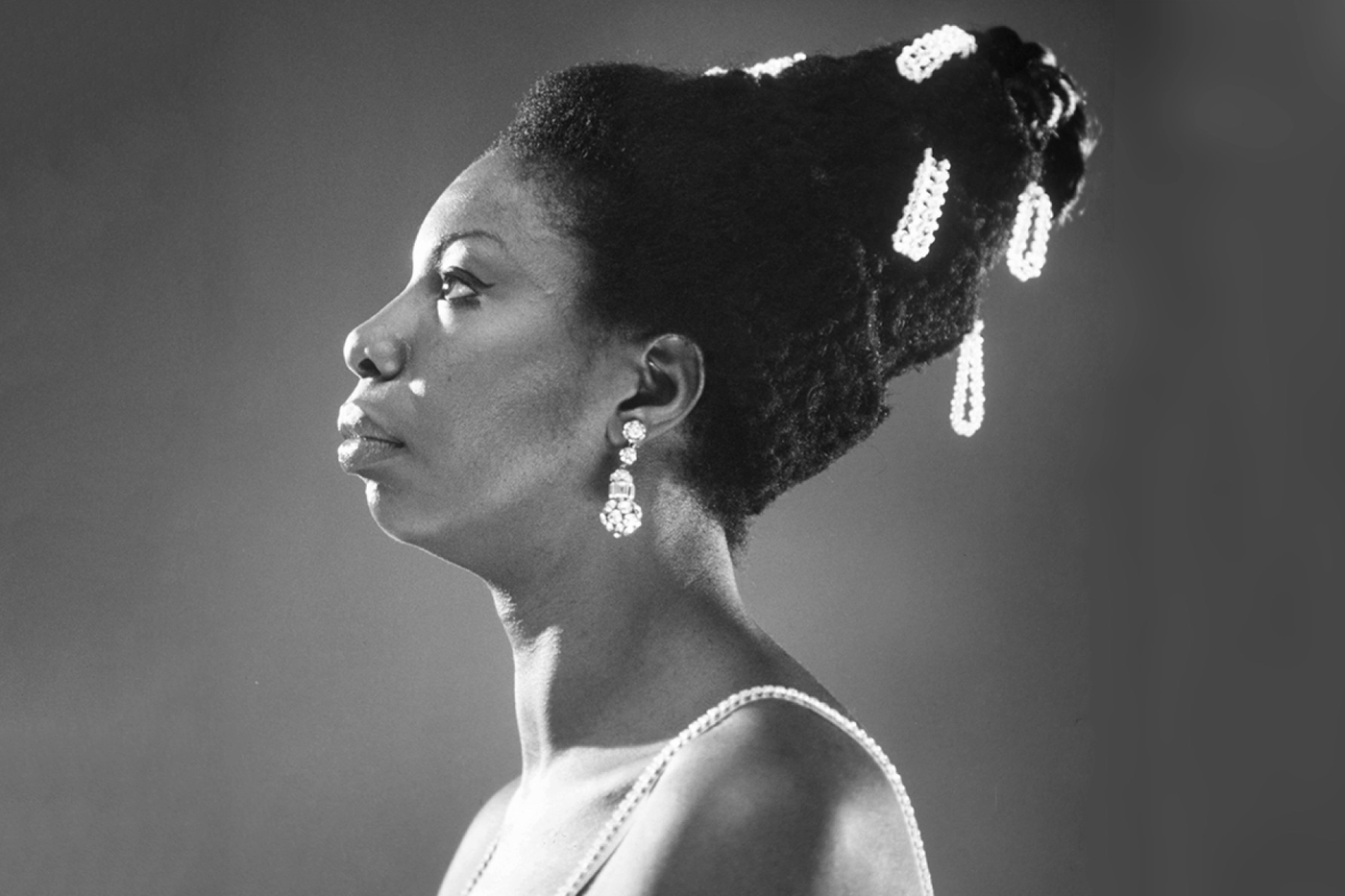
That voice, when I was young, I hadn’t heard it yet. Music in Nina’s world resonates through her hands, she wants to become a pianist immersed in the classical world. But she almost dropped out of school because her family ran out of money, but at the age of 6, a sponsor recognized Nina’s talent and sponsored money to go to school.
But paying was not enough, there was no fee at that time to pay enough for skin colors to stand together. At the age of 10, Nina Simone’s first psychological shock came when she witnessed directly how her parents, while going to see their daughter perform at the provincial library, were forced to leave their first seat to make room for a white couple. The concussion made her decide to nurture the idea of singing because her hands began to become helpless.
That first shock began to be extended with personal experiences, Nina was discriminated against at school, on the street, had her scholarship cut off, and later because she could not stand the discrimination in America, Nina Simone moved to live in Europe. She chose Jazz, the breath of colored skin, the land of heavy thoughts. In Jazz, Nina returns, not to regain her sad memories but to gain vitality to express herself. That song does not praise life, that song tells about life with the song of humanity, wrapping sadness under a deep breath, exhaling suffering through ghostly singing.
In 1954, Nina Simone sang at many bars in Atlantic to earn money to go to school. Money is enough to support the dream. It wasn’t until four years later, in 1958, that Nina boldly tried recording I Love You, Porgy, a classic Jazz song by George Gershwin. n
Just recorded for friends and just because she loved Billie Holiday’s singing so much, Nina wanted to sing it again. Yet it was successful. For the first time, Americans heard a song that was sad, deep and hoarse but full of inner power. Nina Simone’s singing is like a miracle that God gave to America. That year, this song entered the Billboard Top 20. Bethlehem Records quickly signed a contract with Nina to turn her into a new star.

That same year, Nina Simone’s debut album was released under the title Little Girl Blue, where a new world is expressed through Nina Simeone’s voice, yearning, passionate, burning and, importantly, unlike anyone before. There, the song My Baby Just Cares for Me brought Nina Simone to the rank of a Jazz saint, with beads of sweat in her voice, as if listening to her pain. Listening to Nina is like seeing your heart in the bottom of a glass, Nina’s singing sounds like she’s a little drunk, drunk and carefree.
That year, 1958, Nina’s debut album was a great success. But the person who pocketed the most money was not her. Nina lost millions of dollars in record sales just because she sold the entire album copyright to the record label for… 3,000 USD.
But Nina doesn’t have to be sad for long, album Little Girl Blue brought her to the top of the world. There, Nina seemed to be holding a staff, showing her power over the newly formed kingdom. There, profit is not an issue, Nina wants to use her singing to fight to protect the rights of women and people of color who are discriminated against.
Many great works were born from Wild is the wind, To be young until Gifted and black, Ain't got no I've got life, Mississippi Goddam…, sentimental Nina idly wanders through the cigarette smoke, her hands playing the piano skillfully, singing wild lyrics that challenge life. A symbol has been built. That voice is still seductive, still spontaneous, delicate but still not falling apart, not sad, after listening it seems like the inspiration for life is built up, full of strength.

The Beatles once hailed Nina Simone as a queen. It is their immortal song, Michelle, in the lyrics there is a line I love you be inspired by I Put a Spell on You Nina Simone’s classic. A series of new musical generations look to Nina as an example, using music to fight, using music to express the times. With such a voice, such a committed life, Nina Simone will never be forgotten.
That song will forever touch the hearts of many generations. The restlessness in Nina Simone’s voice is a difference, as if the crystal is fragile and fragile, but when the light shines in, the radiation from it softens all hearts, it heals the losses and soothes the sadness. Especially in these days, when there is smoke Black Lives Matter (The right to life of people of color) is causing America to relive the pain of the old days.
Review Part 1: Black goddess of Jazz
Lesson: Kha Anh – Art Columnist
