

Dù từng đối mặt với những tranh cãi về tính chính xác của khoa học, bức họa "Nhật thực tại Venice" của danh họa Ippolito Caffi vẫn đứng vững như một tuyệt tác kỳ diệu.
Ippolito Caffi is an outstanding painter of the school vedutista (artists specializing in meticulous cityscapes), famous for their vivid, realistic depictions of Venice’s architectural splendor. Painting Solar eclipse in Venice is a testament to his classy painting ability.

Born in Belluno in the Eastern Dolomites, Italian painter Ippolito Caffi embarked on a creative journey that was completely different from other artists of his time. The foundation of his talent was laid at the Venice Academy of Fine Arts (Accademia di Belle Arti di Venezia) – the famous art cathedral that contributed to shaping his vision and painting techniques. Ever since he was in school, Caffi’s blossoming talent has reaped a series of prestigious awards.
Miracle of solar eclipse on July 8, 1842
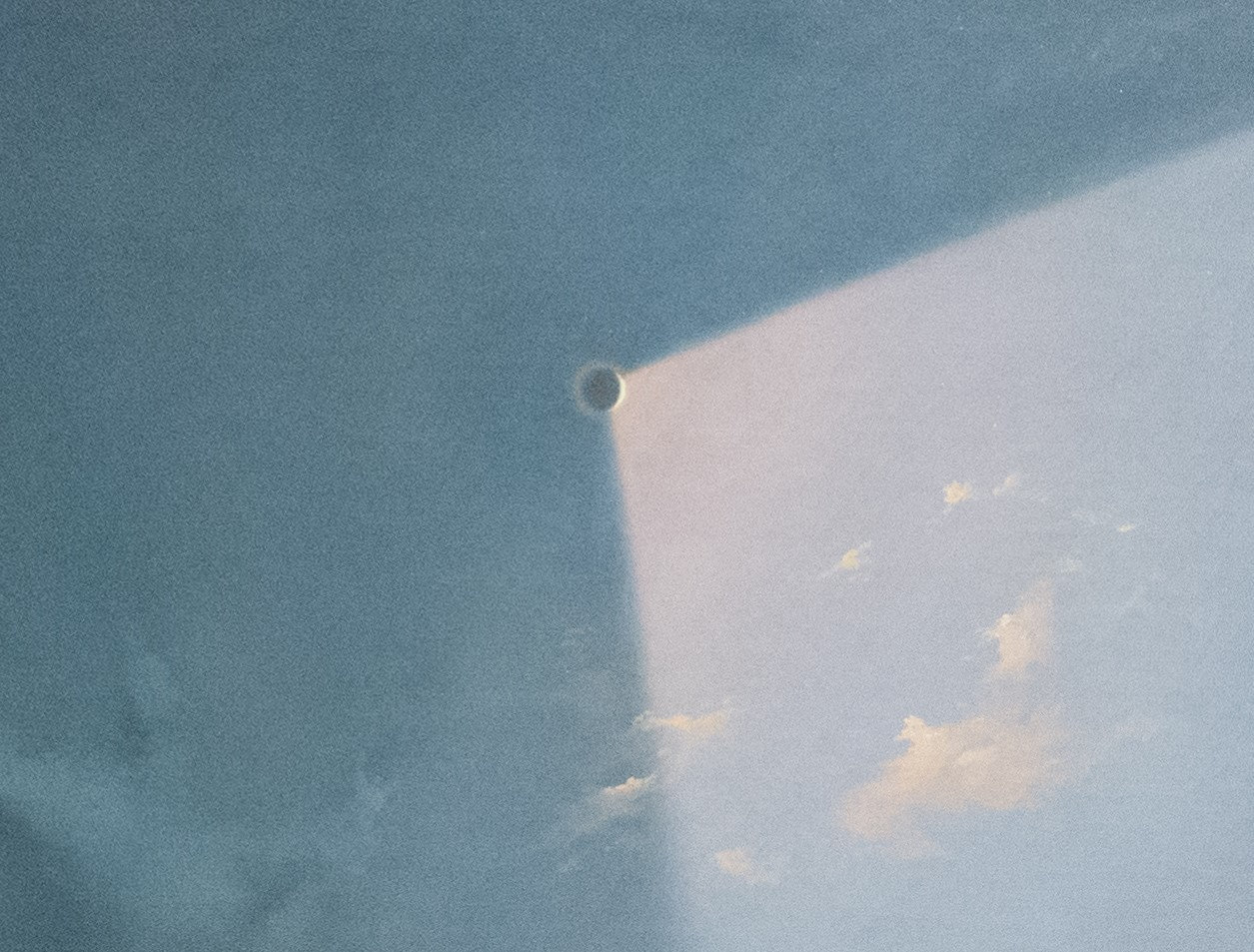
The solar eclipse event that took place on July 8, 1842 created an extremely strong visual impression on Ippolito Caffi, making him completely fascinated and immersed in this amazing astronomical phenomenon. In just a few short weeks after the event, Caffi completed the painting to give to his teacher and confidant, Antonio Tessari.
Astronomical phenomena attract the upper class

This celestial phenomenon has special meaning in the history of astronomy. The last previous eclipse on record was in 1816, making the 1842 event the first observing opportunity for a whole new generation of astronomers. Aware of the rarity of this natural phenomenon, the artist quickly seized the opportunity not only to depict the eclipse itself, but also to capture the amazement and curiosity evident on the faces of Venetian residents.
Freedom in artistic creativity
Tuy nhiên, tác phẩm cũng phải đối mặt với một số lời phê bình về "tính thiếu chính xác" dưới góc độ khoa học. Góc nhìn bức tranh được triển khai từ góc nhìn phía đông bắc thành phố Venice, tạo ra một góc nhìn rộng bất thường khiến giới chuyên môn phải ngạc nhiên. Các nhà bình luận chỉ ra rằng tầm nhìn bao quát cùng các luồng sáng hình rẽ quạt tỏa ra từ lưỡi liềm mặt trời mỏng dảnh là những chi tiết lệch khỏi góc nhìn thực tế của một kỳ nhật thực toàn phần.

Dù tính chính xác tuyệt đối bị hoài nghi, nhiều khả năng họa sĩ đã chủ động hy sinh một phần yếu tố này để tạo nên hiệu ứng kịch tính cho tác phẩm. Bằng việc sử dụng sự tự do trong nghệ thuật, Caffi không chỉ muốn truyền tải độ chính xác khoa học của sự kiện thiên thể, mà còn muốn lột tả tác động cảm xúc mạnh mẽ của một khung cảnh đầy uy nghiêm. Ông cũng có thể đã cố gắng bắt trọn "chuyển động" bóng tối của mặt trăng đang quét qua cảnh quan ngay trong khoảnh khắc nhật thực toàn phần xảy ra.
Despite the technical considerations, recent modern scientific calculations have shed light on the extremely delicate details in the painting. The exact positions of the sun and moon, as well as the one-minute duration of the total solar eclipse, were determined through scientific data. This shows that although the timeline and location in the work do not exactly match scientific data, they are still surprisingly close to real events.
Immortal historical heritage
Beyond its pure artistic value, the painting also serves as an invaluable historical document, preserving the memory of a rare astronomical phenomenon. Completed just three weeks after witnessing the total solar eclipse of July 8, 1842, the work is a testament to the ability to condense the essence of a moment, both scientifically and emotionally. In the blend of artistic expression and scientific observation, the painting has become a unique intersection between aesthetic expression and historical heritage.
Lesson: Navigator Media
