

BMW X5 là một trong những dòng xe bán chạy nhất của thương hiệu, nhưng điều đó không đồng nghĩa với việc mẫu SUV này dừng lại ở những thành công sẵn có. Hãng xe sang nước Đức chính thức công bố thế hệ thứ năm của dòng SUV cỡ trung này. Mẫu xe trải qua cuộc "đại tu" vô cùng táo bạo cho phiên bản năm 2027, đồng thời mang đến cho khách hàng tới 5 tùy chọn hệ truyền động khác nhau.
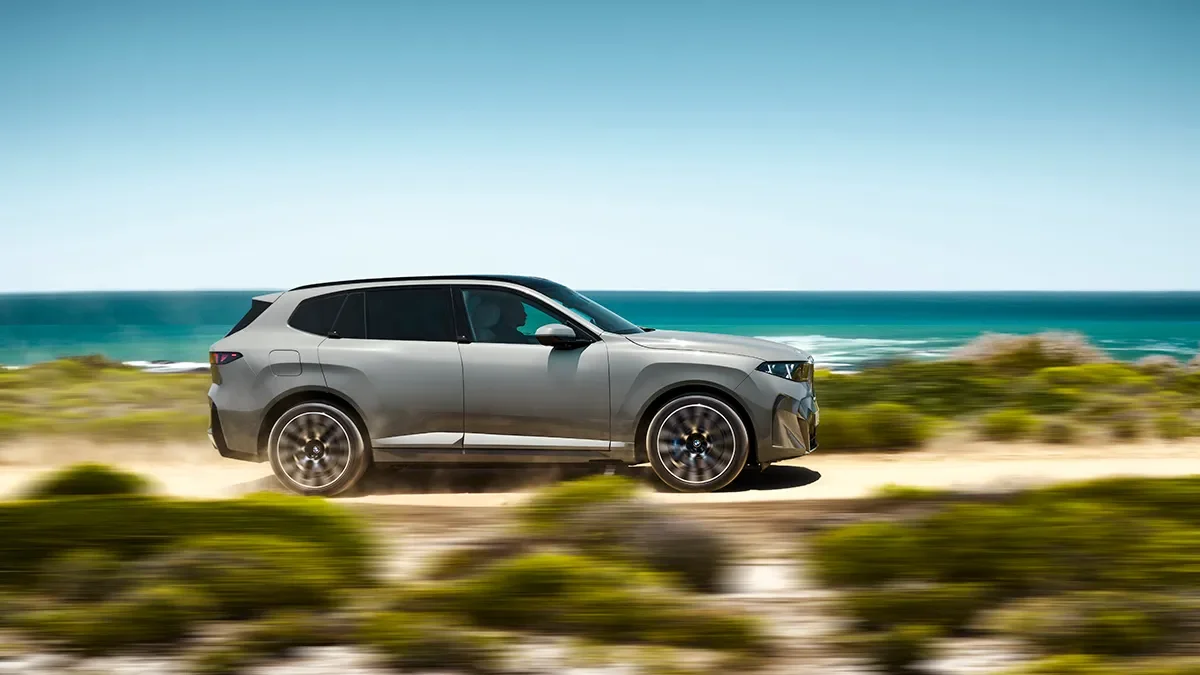
Since its first launch in 1999, the X5 has always maintained stable sales and great success. Therefore, many people will not be too surprised if the latest version of the SUV only receives a few minor upgrades. However, BMW chose a more groundbreaking path when deciding to completely change this model, bringing the X5 to join the common design language with the cars of the company’s second “Neue Klasse” era, including the 3 Series, X3 and somewhat the improved version of the 7 Series.
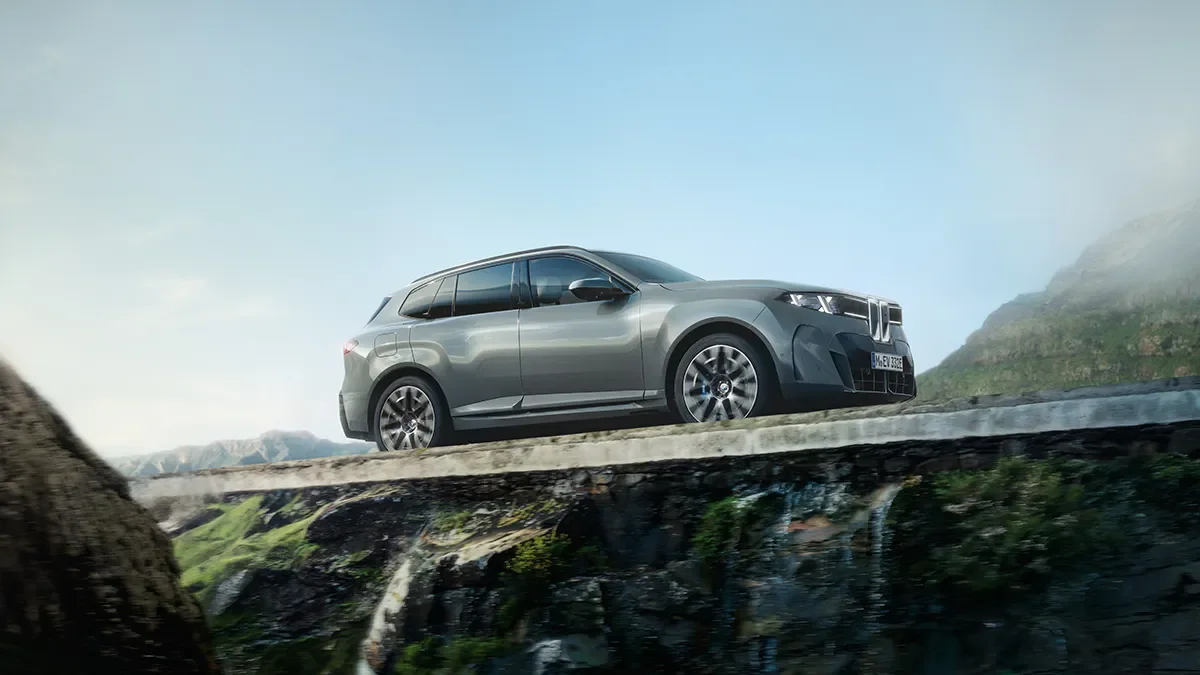
Despite possessing an overall size almost similar to its predecessor, the new X5 has impressive proportions and angular lines. The biggest change focuses on the front of the car, where the SUV is equipped with a narrow and vertical double kidney grille – details similar to the more compact X3. However, the double X-shaped headlight cluster is a completely new design. Other fresh touches include subtle flush-wing door handles and a one-piece tailgate, replacing the two-piece clamshell opening that has been associated with the model since its inception.
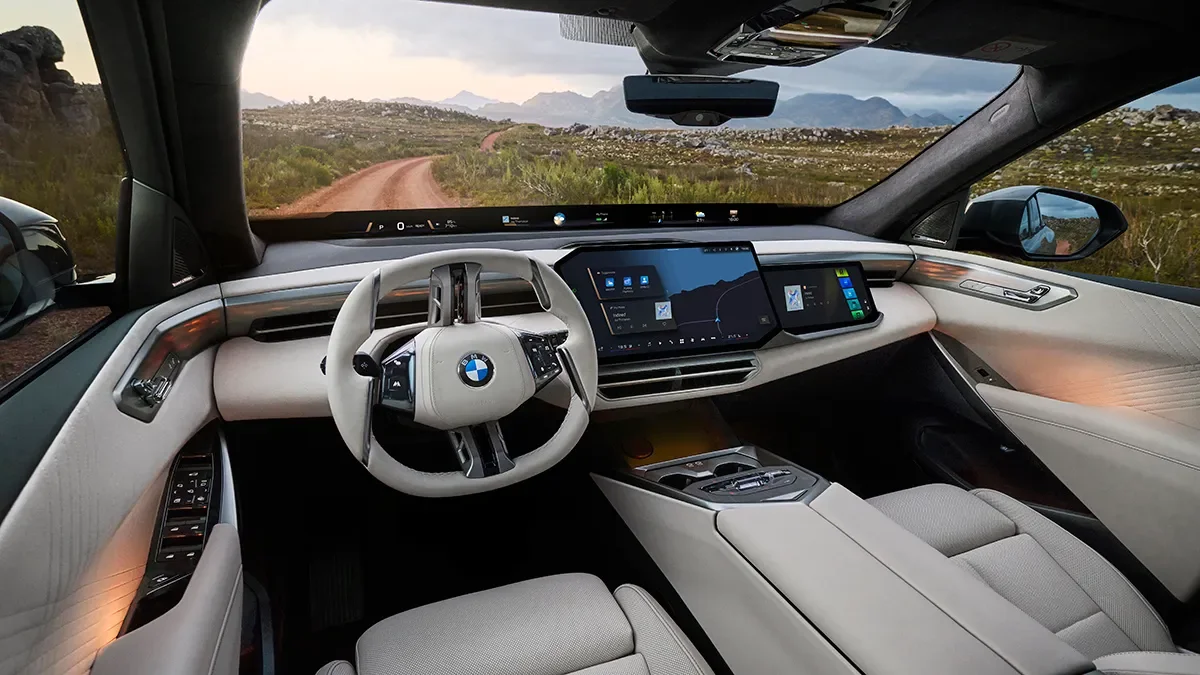
The X5’s cabin also underwent a profound design overhaul. The new interior space bears many similarities to the 7 Series, most notably the new generation Panoramic iDrive display screen running along the bottom edge of the windshield. This system is combined with a 17.9-inch central infotainment screen and an optional 14.6-inch screen for the front passengers. Although similar in size to the fourth generation X5, this version still optimizes space to provide more legroom for the rear seats. In particular, the car is also equipped with a large panoramic sunroof as standard.
In the future, the X5 will be offered with a total of 5 different engine configurations: gasoline, plug-in hybrid, pure electric, diesel and hydrogen. In particular, the diesel engine version will not be available for sale in the US market; The hydrogen-powered version – using a fuel cell system jointly developed by BMW and Toyota – is expected to be launched in 2028.
At the time of sale in the US, the car will be available in three different configuration versions. The first is the X5 40, which comes with the option of rear-wheel drive or full-time four-wheel drive, using a 3.0-liter turbocharged inline 6-cylinder engine, producing 394 horsepower and 428 ft-lbs (about 580 Nm) of torque. Next is the X5 50e xDrive all-wheel drive version, combining the above 6-cylinder engine with an electric motor, delivering a total capacity of 489 horsepower and 516 ft-lbs of torque (about 700 Nm). Finally, the pure electric car model iX5 60 xDrive – the first fully electric version of this car line – possesses a twin motor configuration for up to 578 horsepower and 593 ft-lbs of torque (about 804 Nm). The operating range of this pure electric version is estimated to be about 435 miles (about 700 km) on a full charge.
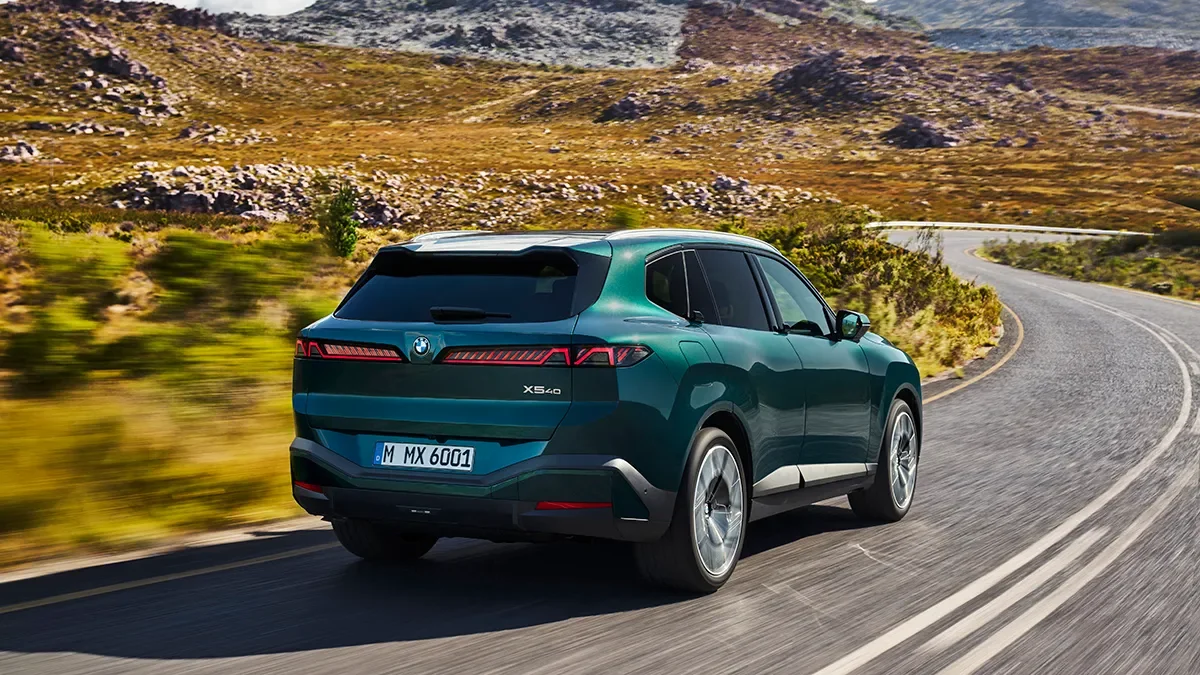
BMW is expected to start delivering the
Lesson: Navigator Media
